The choice of the right e-commerce platform is crucial for the success of your online business. In the fast-paced world of e-commerce, there are many options available, but it’s important to make a wise decision. Among the most prominent contenders in this digital arena is the option of creating a store in Shopify vs your own website.
This guide aims to provide a detailed analysis of two popular e-commerce platforms, Shopify and building a custom website. We will examine the strengths and weaknesses of each option, giving you the information you need to make an informed decision that aligns with your specific e-commerce goals.
Let’s dive into the crucial factors when comparing Shopify vs Your Own Website.
Shopify is a leading e-commerce platform that helps businesses of all sizes easily create and manage their online stores. What sets Shopify apart is its user-friendly interface, making it accessible to both new and experienced entrepreneurs.
One of Shopify’s key features is its wide range of built-in tools and functionalities designed to simplify the complexities of e-commerce. These include inventory management, order processing, secure payment gateways, and shipping logistics.
By consolidating all these aspects into a single platform, Shopify eliminates the need for entrepreneurs to navigate multiple systems. In essence, it serves as an all-in-one solution for launching and running a successful online business.
Check out our blog where we explain why Shopify is the ultimate platform for e-commerce website development platform.
Shopify offers several advantages for e-commerce businesses:
While Shopify is a powerful e-commerce platform, it’s essential to consider its limitations:
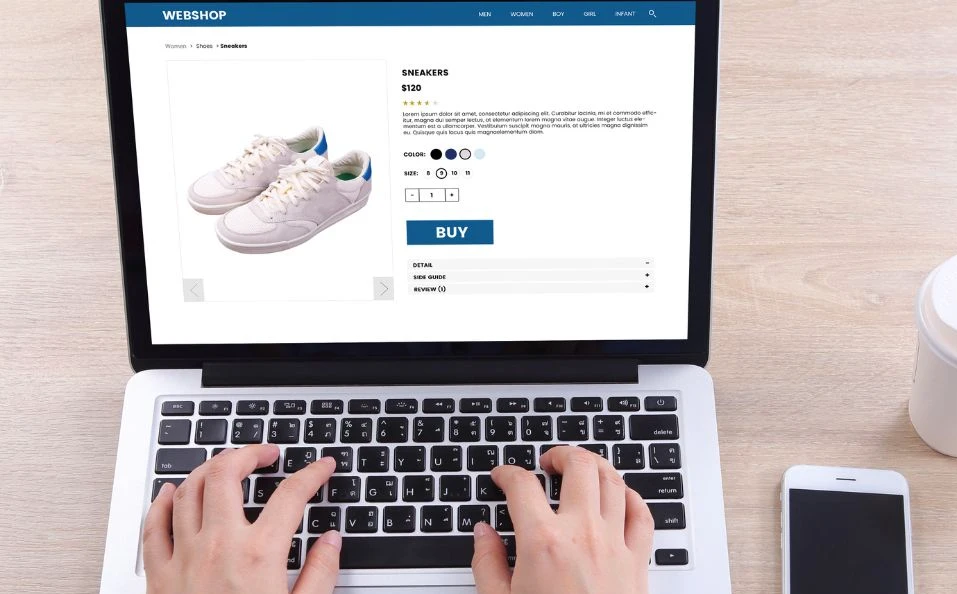
The process of building your own e-commerce website involves several important steps. First, you need to secure hosting services to make sure your website is accessible to online visitors. There are different types of hosting available, such as shared hosting for smaller businesses or dedicated hosting for high-traffic sites.
Next, you need to register a domain, which will serve as the address for your e-commerce platform. This not only defines your online identity but also contributes to brand recognition. Additionally, you need to choose an e-commerce system, such as WooCommerce or Magento, to power your website.
These systems provide the framework for managing products, transactions, and customer interactions. Importantly, using such systems gives you complete control over your website’s design, functionality, and branding, allowing you to create a unique user experience that aligns with your vision and target audience.
This level of autonomy is especially beneficial for businesses that prioritize distinct branding and want to stand out in the competitive e-commerce landscape.
You can also go through our blog in which we explain what are the top Responsive web design frameworks that will help your website to be more mobile responsive.
Running your own website offers unique benefits:
However, self-hosted websites come with challenges:
Shopify: Shopify’s customization options are flexible but limited to its pre-designed themes. These themes allow some personalization in terms of design, but they may not meet the needs of businesses with specific and unique branding requirements.
For entrepreneurs who want a distinct online identity or a fully customized user experience, Shopify’s theme-based customization may not be enough. In contrast, self-hosted websites offer complete control over design and branding, catering to businesses that prioritize brand differentiation and a fully customized online presence.
Your Own Website: A self-hosted website for e-commerce ventures offers unparalleled freedom for customization and branding. This empowers businesses to create a unique brand identity and tailor the user experience to their exact requirements.
It is the ultimate choice for those who prioritize the complete realization of their branding vision.
Shopify: Shopify provides an extensive range of SEO tools and a vast ecosystem of apps for marketing, offering valuable resources to boost online visibility and marketing strategies. However, when compared to a self-hosted solution, Shopify may offer less precise control over certain aspects of SEO and marketing.
A self-hosted website enables complete customization and fine-tuning of these strategies, providing more control to implement highly specific tactics tailored to individual business objectives.
Choosing between Shopify and a self-hosted solution depends on the desired level of control and customization in SEO and marketing, aligning with e-commerce goals and resources.
Your Own Website: Opting for a self-hosted website provides you with a significant advantage – greater control over your SEO and marketing strategies. With this approach, you get the freedom and flexibility to precisely tailor and optimize your website’s SEO efforts and marketing campaigns as per your business goals.
This includes making adjustments at both the server level and within the website’s code, allowing you to leverage highly specific, customized tactics. This level of control is especially beneficial for businesses with complex marketing requirements, as it allows experimentation with unique SEO and marketing strategies, aligning them with your brand’s objectives and vision.
You must manage growth by optimizing your website’s code and database, implementing CDNs, and employing performance-enhancing techniques. Self-hosting offers customization but requires a commitment to ongoing technical management for seamless growth and performance.
When choosing between Shopify and a self-hosted website, consider your priorities:
To make the right choice, summarize the key factors:
As you have reached the end of your journey you might have come across one conclusion that whatever platform you are going to decide on will have complexity regarding how the website is set up.
We at INDOAGE are here with the solution. Let us take over your e-commerce web development needs by providing professional web development solutions.
In the Shopify vs Your Own Website dilemma, the decision ultimately rests on your unique business needs and goals. Shopify is an excellent solution for those who want to get started quickly with minimal technical knowledge. On the other hand, creating your own website provides unparalleled control and customization.
Consider your budget, the extent of customization you require, and your long-term objectives when making this critical choice for your e-commerce business. By aligning your choice with your priorities, you’re well on your way to a successful online venture.